

Housekeeping
Hey - Eli here.
Welcome to another edition of 2&20. We’re here to fill the void that exists between emerging fund managers and the information they need to excel. As always, I’m here to help you grow the two things that matter: AUM and Alpha.
Happy 2026 (even though Larry David would tell me it’s too late to say that).
I’ve been busy:


It’s been a minute since the last edition… lots has happened. We have officially passed VC winter, which means you should all be back in the office after your time in St. Moritz or Aspen. I hope 2026 is filled with lots of funds raised, deals done, and DPI.
As always, please hit me back with feedback and comments—I’m constantly seeking ways to make this newsletter a more valuable read.
Diving right in and keeping things brief:
On my radar:
I WANT to send you deals. No strings attached. Fill out our deal sharing form to have relevant deals sent to you!
I got a new username on X. @elikia so please go follow me.
Please, introduce me to your favorite investors. I <3 making new friends.
I’d like to do 2 editions a month in 2026, but each one currently takes me ~8-10 hours to write. I need to fix something in this equation.
Take a look at our Fund II deck and let me know if there’s anyone you think I should chat with! We went through a little bit of a pivot.
The Main Idea
This week we’re talking sales. Like every job, venture is a sales game. Selling LPs, selling founders, selling partners - but the one that often gets left out is selling shares on the secondary market. This has been my challenge for 2026… finding liquidity.
When companies are staying private longer, secondaries are the much needed release valve. And when crashes can happen unexpectedly, leaving companies to go belly up overnight, it might not be a bad idea to hedge. But the age old question: is your pullout game strong enough?
Let’s walk you through exactly how to sell shares on the secondary market, from the moment you decide you want liquidity to the moment cash hits your fund’s bank account…
Before we start: two things most people get wrong
First: You do NOT need the company’s permission to sell on the secondary. If they’re cooperative and willing to furnish materials you can share with buyers, that’s awesome. But whether or not you can sell your shares is dictated by your SPA and investor rights agreement, not the company’s feelings about it.
Second: The best time to sell is at or around a financing round. Is it unethical? Maybe. But it’s when demand for shares is at its highest. The company is top of mind, recent data is accessible, and you have two plays: sell at a discount to new investors who want more than their allocation, or sell at a premium to investors who couldn’t get into the round at all.
Step 1: Gather your documents
Before you talk to a single buyer, you need to know exactly what you own and what restrictions exist. This is where most first-time sellers waste weeks.
Go find these right now:
Your stock purchase agreement (SPA) from when you invested. Contains the transfer restrictions that govern whether and how you can sell. If your SPA has funky restrictions you don’t understand, send me an email - I have a friend who can help.
The company’s certificate of incorporation and any amendments. Tells you what share classes exist and what rights attach to each.
Any investor rights agreement, voting agreement, or ROFR agreement. Often bundled together. Contains the ROFR provisions that determine who gets to buy your shares before you can sell to a third party.
Your share certificate or a copy of it. You need the certificate number and exact number of shares.
The most recent cap table. Buyers will want this. You may or may not have access - you’re at the mercy of the company.
Do a little research:
Find your SPA and investor rights agreement and throw it into my good friend Claude. Then just copy and paste this prompt:
I’m planning to sell my shares in this company on the secondary market. Please review these documents and answer the following questions: 1. Can I sell my shares to a third party? Are there any outright prohibitions on transfer? 2. Does the company have a right of first refusal (ROFR)? If yes, what’s the notice period and process? 3. Do other investors have a right of first refusal? If yes, which investors and what’s the process? 4. Do other investors have co-sale (tag-along) rights that let them sell alongside me? 5. Are there any holding periods or lock-ups still in effect? If yes, when do they expire? 6. Do I need board approval to transfer shares? 7. Are there any other transfer restrictions I should know about? 8. What is the required format and delivery method for any notices I need to send? For each answer, please quote the specific language from the documents and tell me which document and section it came from.
Extract out the info, and make sure you really understand what you can and cannot do.
Make a one-pager:
Once you’ve got answers, create a simple summary you can share with potential buyers:
Company name, sector, one-line description
Your share class and number of shares
Last priced round (price, date, lead investor)
Current 409A if you have it
Your ask (price range or “exploring market pricing”)
Transfer restrictions summary (ROFR, lock-ups, board approval)
Your contact info
This one-pager will save you hours. Every buyer asks for the same info, so save yourself from having to copy and paste a weirdly formatted email.
Step 2: Talk to the company
This is the step most GPs want to skip. Don’t skip it.
You need to have a conversation with the company before you start marketing your shares:
You may need their cooperation to close (ROFR waiver, cap table update, consent to transfer)
They may know of buyers already interested
They may be planning a tender offer you don’t know about
If they find out you’re selling from someone else, it damages your relationship
The script:
Email or call the CEO or CFO. Keep it simple:
“Hey Eli, I wanted to give you a heads up that I’m exploring some liquidity options for our shares. Our fund is [approaching end of term / rebalancing the portfolio / whatever is true]. I want to be transparent with you and also make sure I understand any restrictions or process on your end. Do you have 15 minutes this week to chat?”
What you’re trying to learn:
Is the company aware of any interested buyers?
Is the company planning any liquidity events (tender offer, secondary program)?
Will the company cooperate with a sale, resist it, or stay neutral?
What’s the process for exercising or waiving ROFR?
Who at the company handles cap table transfers?
The three outcomes:
Best case: “Actually, we’re planning a tender offer in Q2, you should wait for that” or “We’ve had inbound interest from X Ventures, want me to connect you?”
Neutral case: “We’re not going to help you find a buyer, but we won’t block a transfer as long as the buyer is acceptable and you follow the ROFR process.”
Worst case: “We really don’t want you to sell, it sends a bad signal.” In this case, you have a decision to make. You can still legally sell (check your docs), but you may damage the relationship.
If the company is hostile:
Sometimes founders get upset when investors want to sell. They see it as lack of conviction. A few things to keep in mind:
You almost certainly have the legal right to sell, subject to ROFR
The company can make the process slow and painful, but they usually can’t block it entirely
Consider whether the relationship damage is worth the liquidity
Sometimes the right move is to wait 6 months and try again
Step 3: Find buyers
Everyone says “use a broker or go direct.” That’s not helpful. Here’s what actually works.
The broker landscape
I’ve talked to all of them at this point. Here’s the breakdown:
Forge is the biggest. Most liquidity, largest buyer network. But they’ll shop your position broadly, which can get back to the company or other investors. Best for positions $500K+. Fees are 3-5%.
Hiive is more seller-friendly. Better price transparency, less aggressive marketing of your position. Easier to work with for positions in the $250K-2M range. Fees are 3-4%.
EquityZen aggregates smaller positions into SPVs. Good if you’re trying to move something under $500K that other brokers won’t touch. Slower to close because of the SPV structure. Fees around 5% plus SPV costs.
Rainmaker is white glove for larger institutional blocks ($2M+). Lower fees (2-3%) but they’re picky about what they take on.
NPM (Nasdaq Private Market) is really only useful if the company is already running a formal liquidity program through them.
Caplight isn’t a broker - it’s price discovery. Free data on where companies are trading. Invaluable for understanding the market before you talk to anyone.
And then obviously there are all the broker-dealers / placement agents / search funds / etc. who would happily try to help you offload your shares for a small cut.
Before you sign with any broker, ask:
What’s your fee structure?
Do you require exclusivity? For how long?
How many transactions have you closed in this company specifically?
What’s your typical timeline from engagement to close?
Who are your likely buyers for this position?
Do you have any current buy-side mandates that match my position?
Watch out for:
Long exclusivity periods (more than 60 days is too long)
Fees that apply even if you find the buyer yourself
Brokers who want to “shop” your position broadly without your approval
Before you sign an engagement letter, ask for their “recent closed transactions” in your company or sector. Selling shares (or assets) is a relationship game - if they don’t know buyers, you’re screwing yourself by signing that engagement letter.
Going direct
If you want to avoid the 3-5% fee, here’s where to look:
Tier 1 - Highest conversion:
Other investors on the cap table. This is your first call. Email every investor from prior rounds. They already did the diligence, they already believe in the company, and they may want to increase their position at a discount.
Script:
“Hey Eli, I’m exploring liquidity options for our position in 2&20. Before going to market, I wanted to see if X Ventures had any interest in adding to your position. We’re looking at 10% discount to the last round. Let me know if this is worth a call.”
Investors who passed on the last round. Check Pitchbook for who was in the process but didn’t close (but Pitchbook might not be accurate… so hopefully you have a friend at the company who can tell you who was chatting with them about the last round). They already spent time on diligence and said no at that price. A discount might change the math.
The company’s inbound list. Ask the CEO or CFO: “Have you had any investors reach out about buying secondary shares?” Most growth-stage companies have a running list of funds who’ve expressed interest. Ask for warm intros.
Tier 2 - Medium conversion:
Funds that invest in the space. Search Pitchbook or Crunchbase for funds that have invested in 3+ companies in the same sector. They understand the market and can move fast on diligence.
Your own LPs. Some LPs want direct exposure to specific portfolio companies. Especially true for family offices and HNW individuals. Check your LPA first - some have restrictions on LP co-investment in portfolio companies.
Secondary-focused funds & search funds. Industry Ventures, Lexington Partners, Whitehorse Liquidity Partners, NewView Capital, Euclidean Capital. They’re slower (60-90 day diligence) but can take larger blocks.
Tier 3 - Lower conversion but worth a shot:
Slack and Discord communities. Private LP/GP communities where secondary opportunities get shared: Hampton, OnDeck Angels alumni, Sidebar, various fund manager Slacks.
Twitter/X DMs. If you know someone at a fund that would be a logical buyer, a direct DM often works better than email. Keep it short.
Strategic acquirers. If the company has obvious strategic buyers, those corporates sometimes buy secondary positions to build a stake before M&A. Reach out to their corp dev team.
Step 4: Price discovery
Before you commit to a buyer or a price, you need to understand what the market will actually pay.
Start with data:
Check Forge, Hiive, EquityZen, and Caplight for any recent trading data on your company
Look at the last priced round and when it happened
Look at comparable companies that have traded recently
Ask brokers (even if you’re not using one) what they’re seeing
The discount benchmarks:
Secondary shares almost always trade at a discount to the last priced round. Here’s what I’ve been seeing:
AI company, round less than 12 months old: 0-10% discount, sometimes premium
Strong performer, round less than 12 months: 10-20% discount
Solid company, round 12-24 months old: 20-30% discount
Stale round (24+ months), flat growth: 30-50% discount
Company struggling or down round expected: 50-70% discount
Heads up: buyers will ask for the 409A and try to use it to lowball you. Don't fall for it. The 409A is intentionally conservative - it's for tax purposes, not what the shares are actually worth. The last priced round is your anchor.
Step 5: Run the process
You’ve got interested buyers. Now you need to run a process that gets you the best price and terms without dragging on forever.
If you have one serious buyer:
Keep it simple. Move to a term sheet or LOI (letter of intent) that covers:
Price per share
Number of shares
Total transaction value
Key conditions (ROFR waiver, company consent, etc.)
Exclusivity period (keep this short, 30 days max)
Expected closing date
Who pays for what (legal fees, transfer fees)
Once you have an LOI, you’re in a bilateral negotiation. Move fast.
If you have multiple interested buyers:
You have leverage so use it.
Start getting offers… compare bids on price, certainty, and speed. The highest price isn’t always the best bid. A buyer offering 5% less but who can close in 2 weeks with no conditions might be better than a higher bid with 60 days of diligence and multiple outs.
What to negotiate beyond price:
Escrow: Some buyers want 10-20% held in escrow for 12 months. Push back or negotiate smaller (5-10% for 6 months).
Reps and warranties: They’ll ask you to make promises about the shares (you own them, they’re not encumbered). This is normal. What’s NOT normal is making reps about the company’s performance. Push back on anything that makes you liable for how the company does.
Indemnification: Cap your liability at the purchase price. Some buyers want 2x or uncapped. Don’t agree.
Exclusivity: Keep it short (30 days) and make sure it terminates if they don’t perform.
Common buyer tricks:
“Subject to due diligence” with no clear scope or timeline. Pin them down: what diligence, how long, what would cause them to walk?
Asking for 90-day exclusivity. Shoot for no more than 30 days.
Renegotiating price after exclusivity is signed. This is called “re-trading” and it’s a sign of a bad actor. Walk away if you can.
Sharing your position with the company to create pressure. Be direct with the company first so you control the narrative.
Step 6: Leverage your shareholder rights
Your early stage shares hopefully have some rights associated with them… important to make sure you leverage those rights to maximize the outcome of your secondary sale!
Information rights:
A few things people miss:
What you can share: Your information rights are for you, not your buyers. Sharing confidential info with a prospective buyer without company consent could breach your IRA. The workaround: ask the company to let your buyer into a data room under NDA, or request a limited data package specifically for the sale. Frame it as “I want serious offers from informed buyers so we don’t waste your time.”
Do the rights transfer? Usually no. Information rights are granted to you as the original investor, not attached to the shares. Your buyer won’t inherit Major Investor status - they’ll need to negotiate that separately with the company. Some buyers will ask you to help facilitate this as part of the deal.
Pro rata rights:
You can sell your shares but keep your pro rata. Or sell the pro rata separately to a different buyer. Most IRAs allow assignment of pro rata rights unless they explicitly say otherwise - check yours.
If the company is hot and likely to raise soon, bifurcate the deal. Sell the shares at one price, sell the pro rata at a premium to someone who wants in on the next round. Two transactions, better total proceeds.
Board seat or observer rights:
These don’t transfer with your shares. But if you’re selling your entire position and giving up the seat anyway, offer to help the buyer get appointed. Requires company cooperation, but it’s a real sweetener - I’ve seen it add 5-10% to the price.
ROFR as a tool:
The ROFR isn’t just an obstacle. You can use it:
Price discovery: Submit a notice at a price higher than you expect. If the company exercises, great. If they waive, you’ve established your floor.
Forcing function: A formal ROFR notice starts a legal clock (usually 30 days). If the company has been slow-walking you, this forces them to engage.
Leverage: If the company cares about who ends up on the cap table, ask for something in return for finding an “approved” buyer - faster processing, waiver of transfer fees, help with docs.
Step 7: Handle the ROFR
Almost every company has a right of first refusal. Here’s how it works:
You negotiate a deal with a buyer at $X per share
You notify the company of the proposed transfer, including price and buyer identity
The company has a set period (usually 30 days) to decide whether to exercise and buy the shares themselves
If they exercise, they buy your shares at the price you negotiated. Deal done, you got your liquidity.
If they waive or don’t respond in time, you proceed with your buyer
Other investors with ROFR rights may also get a chance to exercise pro rata - check your IRA
The ROFR notice:
Your attorney will draft this, but key elements are:
Your name and number of shares
Proposed buyer’s name and contact info
Price per share and total consideration
Other material terms
Request for waiver or acknowledgment
Send to the company’s legal contact or CFO via the method specified in your IRA (usually email + certified mail to a specific address). This starts the clock.
Speed it up: Ask for an early waiver before you formally file. “I have a buyer ready to close. Can you confirm in writing that you’ll waive ROFR so we can proceed?” If they don’t intend to exercise, most will give you a waiver letter and save everyone 30 days.
Co-sale rights:
If other investors have tag-along rights, they may be entitled to sell alongside you at the same price and terms. Your buyer might not want the extra shares. Work this out early - check your docs for who has co-sale rights and how much they can tag. Sometimes you can negotiate with the co-sale holders to sit this one out, especially if your buyer has a hard cap on size.
Step 8: Close the deal
You have a signed LOI, ROFR is waived, you’re moving to close.
Stock Purchase Agreement (SPA):
Buyer’s attorney usually drafts. A few things to watch:
Reps about the company. You can rep that you own the shares, they’re not encumbered, and you have authority to sell. You should NOT rep anything about the company’s business, financials, litigation, or prospects. Buyers will try to sneak these in. Read every rep carefully - if it starts with “the Company...” get rid of it asap.
Indemnification cap. Standard is 1x purchase price. Some buyers push for 2x or uncapped for “fundamental reps” (ownership, authority). Push back. If they insist on a carveout for fraud, that’s reasonable. Anything else, you probably shouldn’t cave.
Survival period. 12 months is standard. 18 months is aggressive. Some buyers try for 24 months on “fundamental reps” - don’t agree unless the deal economics justify it.
Escrow. If they want a holdback, 10% for 6-12 months is market. 20% is aggressive. Negotiate a “mini-basket” or deductible so they can’t claw back escrow for trivial claims. Also negotiate that escrow releases automatically if no claims are filed by the release date - don’t let it require mutual signature to release.
Opinion letters. Some institutional buyers ask for a legal opinion that the shares are validly issued and freely transferable. This costs $5-10K extra. Push back unless it’s a dealbreaker - most secondary deals close without one.
Other documents:
Stock power. The actual transfer instrument. Sometimes it’s a standalone document, sometimes it’s built into the SPA. Make sure your signature matches exactly how you’re listed on the share certificate.
Section 4(a)(1½) opinion or rep. Most secondary sales rely on the 4(a)(1½) exemption (often called the “4(a)(1-and-a-half)”). Your attorney and the buyer’s attorney will both need to confirm the transaction qualifies. This is usually just reps in the SPA, but some buyers require a legal opinion. Know which one you’re dealing with before you budget legal fees. ChatGPT this for more detail.
Legal fees:
Budget $5-10K for a clean deal, $15-25K if there’s heavy negotiation on reps and indemnification or if the buyer requires opinion letters. If the buyer asks you to pay their legal fees, counter with a cap or walk.
Step 9: After the sale
Money’s in the bank. Party time (almost).
Fund accounting:
Get this to your fund admin within 48 hours:
Executed SPA or closing statement
Original investment docs (for cost basis)
Wire confirmation
Share certificate or cancellation confirmation
They’ll update NAV, LP capital accounts, realized gains/losses, and DPI. If you sold at a different price than your last reported fair value, be ready to explain the delta in your next LP letter.
Tax timing:
The gain is recognized when the transfer is “complete” - usually when the company updates the cap table, not when you receive funds. If you’re closing in December and want the gain in the next tax year, delay the cap table transfer until January. Conversely, if you want to recognize the gain this year (maybe to offset losses), make sure the transfer completes before December 31. Coordinate with the company and your tax advisor.
Recycling:
If your LPA allows recycling, you can reinvest proceeds instead of distributing. But most LPAs limit recycling to the first 2-3 years of fund life and cap it at 110-120% of committed capital. One nuance: some LPAs allow recycling of return of capital but not gains. Your attorney / fund admin can tell you if you can recycle the money.
QSBS:
A few things people miss:
The 5-year clock starts when you receive stock, not when you invested. If you invested via SAFE or convertible note, your holding period starts at conversion, not when you signed the SAFE. That Series A you thought you’ve held for 4 years? If the SAFE converted 2 years ago, you’re only at 2 years for QSBS purposes.
QSBS requires holding until a qualifying exit… so acquisition or IPO. Secondary sales don't qualify for the exclusion on the shares you sell, regardless of how long you held.
The $10M / 10x cap is per taxpayer, not per investment. If your fund is a pass-through entity, each LP gets their own $10M cap. If you’re investing through a C-corp blocker or your fund is structured as a C-corp, the fund itself is the taxpayer and gets one $10M cap total.
Partial sales are a gray area. Some practitioners argue you can sell some shares on secondary and preserve QSBS on the rest. The law is murky. Conservative tax advisors will say any secondary sale taints the entire position. Get an opinion in writing before you assume you can sell half and keep QSBS on the rest.
State taxes:
Your fund’s domicile determines where you pay tax, not where the company is incorporated. But if you have LPs in multiple states, the pass-through gains may create nexus issues. California is particularly aggressive - they’ll tax gains if the company has any CA presence, regardless of where your fund is based. Flag this for your fund’s tax advisor before closing, not after.
4D chess: be a secondary buyer
Now you know how the process works. That’s valuable on the buy side too.
Most LPAs restrict you to a single strategy - you can’t suddenly become a secondary fund. But buying secondary in companies you already own or have diligenced is usually fair game. Check your LPA for language around “follow-on investments” and “related transactions.”
A few plays:
Double down on winners. Portfolio company is performing and an early angel wants out? Buy their position. Often cheaper than waiting for the next priced round, and you’ve already done the work.
Get into deals you passed on. That Series A you passed on is now a rocket ship. Reach out to the cap table. Angels sitting on big paper gains often want some liquidity. You get in at a discount to the current round, they get cash. Works for everyone.
Founder goodwill. Providing liquidity to an early investor is a favor to the founder - they don’t have to manage the process, cap table stays clean. It’s also a way to build a relationship before leading their next round.
Sourcing tip: Ask founders you’re close with if anyone on their cap table is looking for liquidity. They usually know. Angels ask founders about secondaries all the time.
Timeline expectations
Best case: 5 weeks (buyer lined up, company cooperative, clean docs)
Typical: 10-12 weeks (need to find buyer, standard ROFR, normal negotiation)
Complicated: 4+ months (difficult company, messy docs, hard negotiation)

Dank Tweets
You can click any image below to see the original Tweet.


Interesting things I’ve read


A really interesting life read: Reset your life
This one is top secret: cognitive enhancement
Some cool stuff on my radar
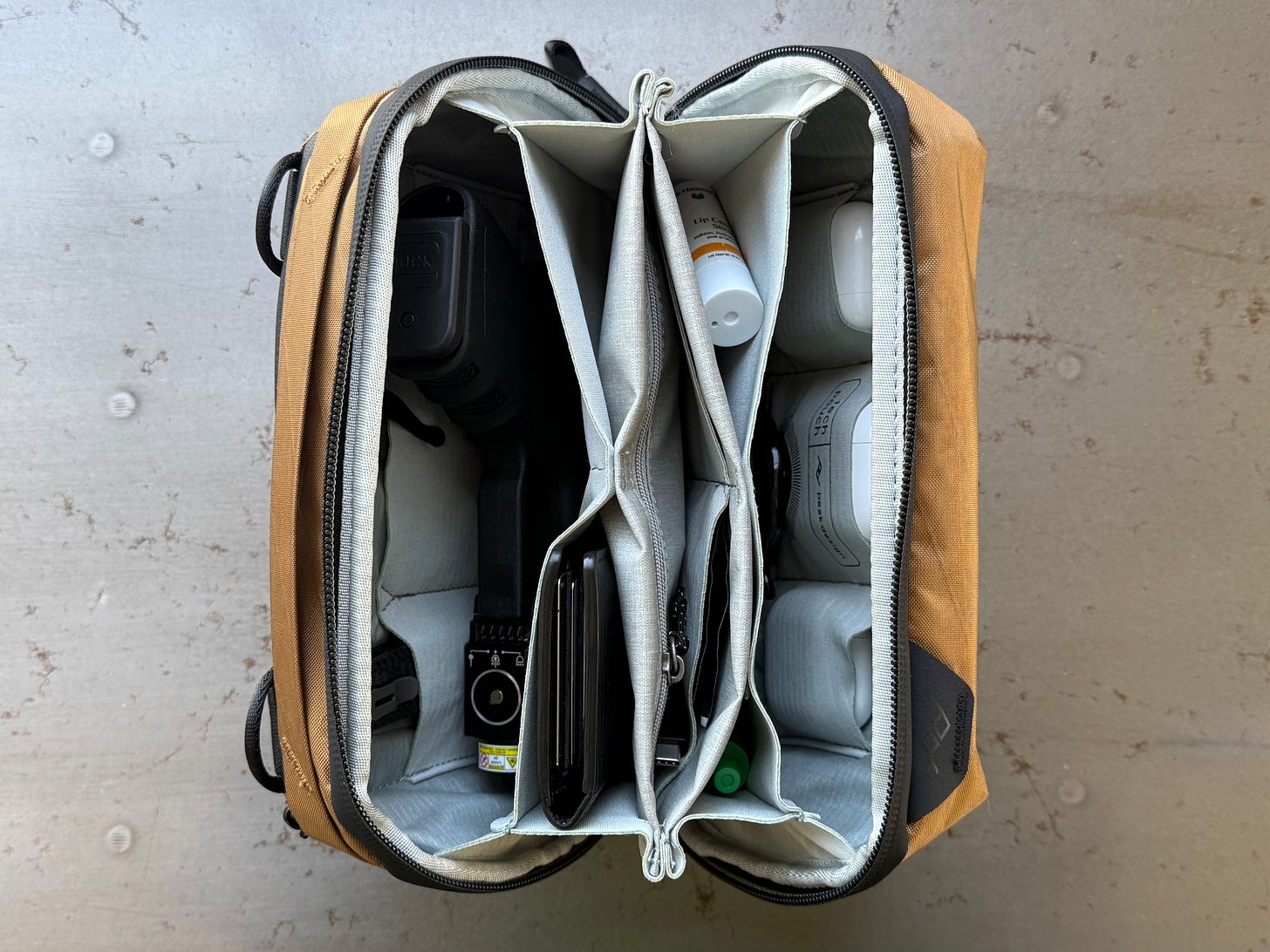
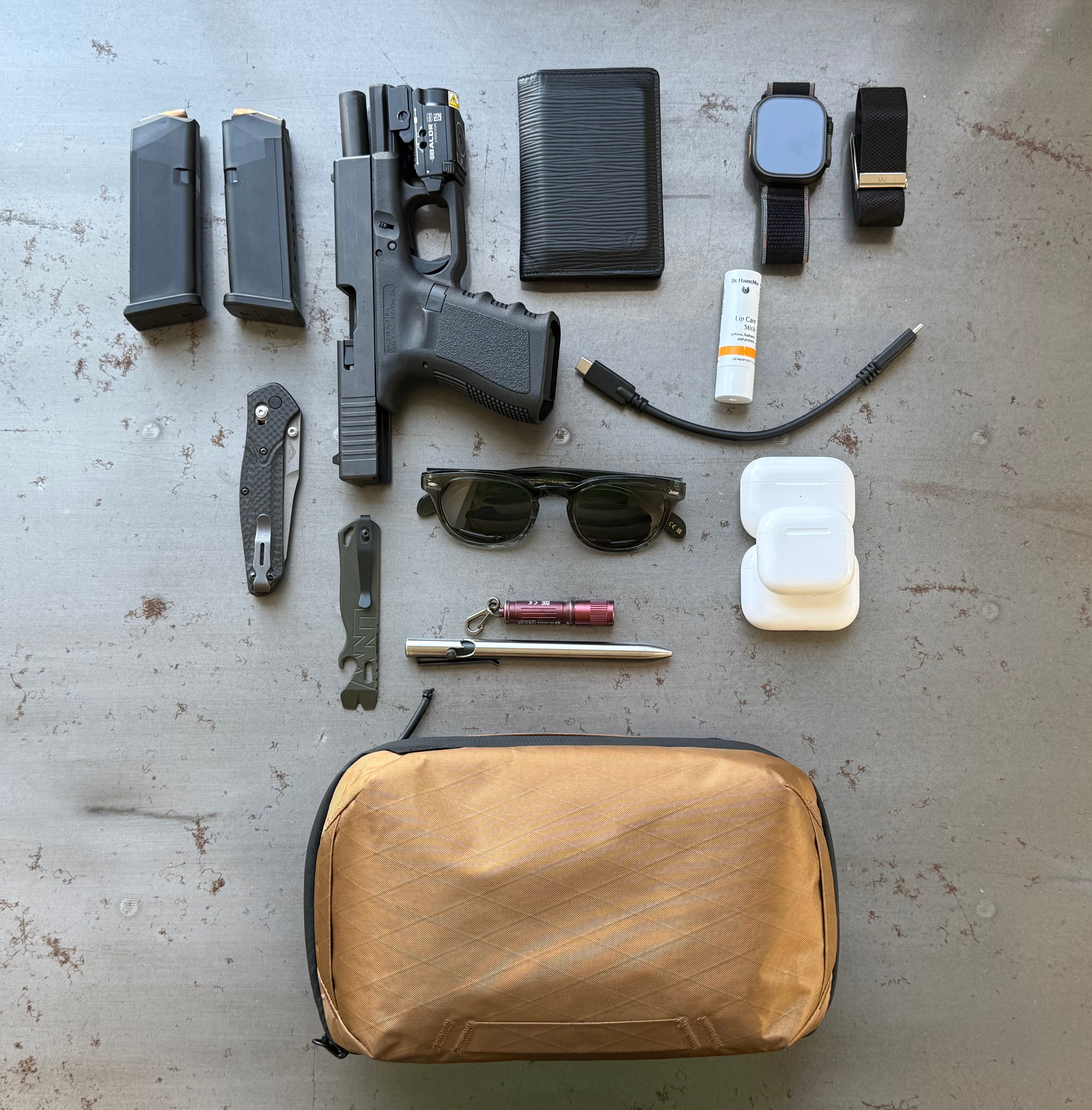
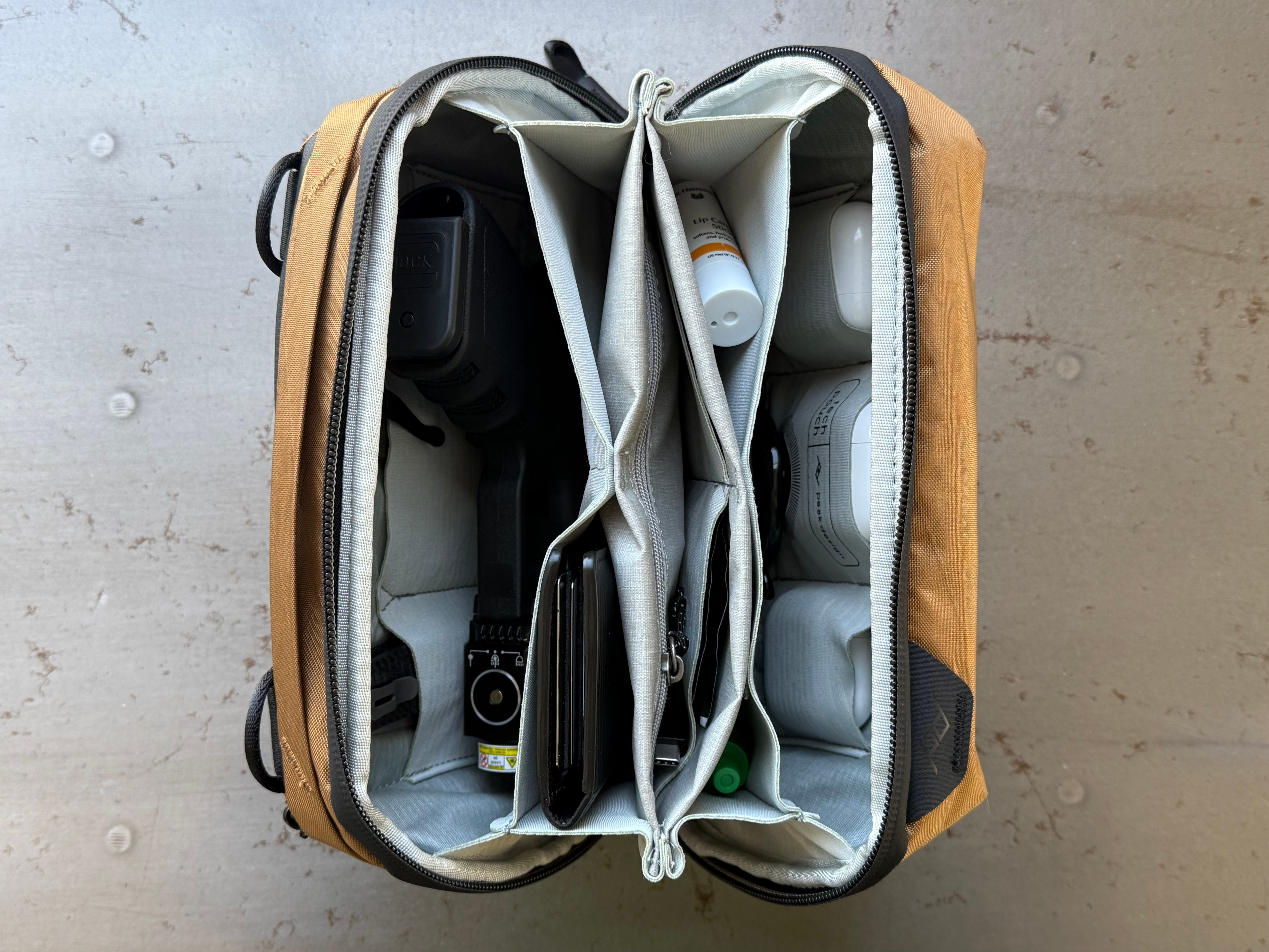
The dump:
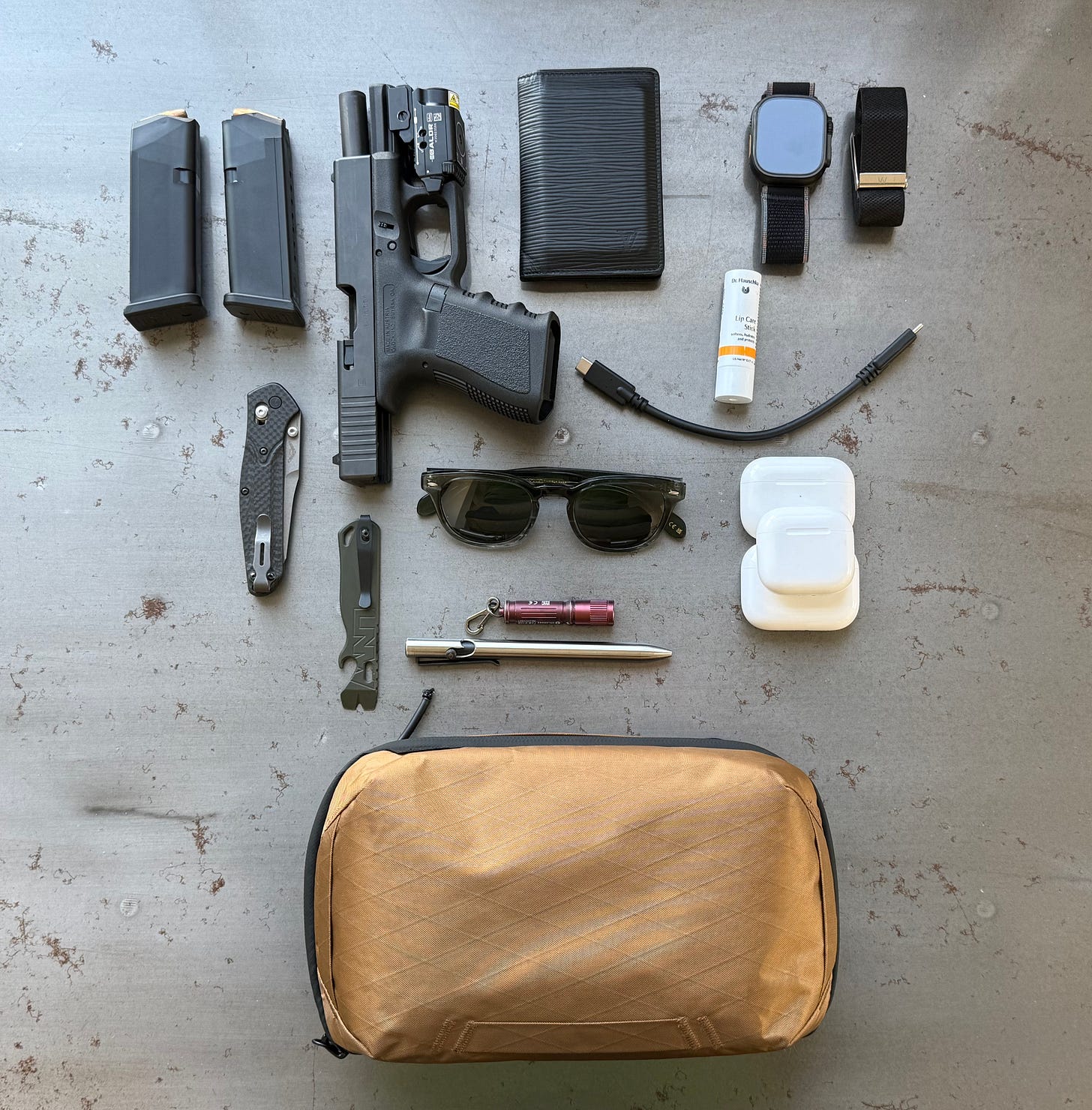
Many AirPods
Yubikey + Flash Drive (not pictured)
USB C cable
Peak Design Tech Pouch, which holds everything so well
I missed a Black Friday post.
So what I was going to write is:
Ladies and gentlemen, it is here. My Superbowl. The greatest creation of the United States of America: Black Friday. After stuffing your face with the most disgusting bird available, we shop!But I missed Black Friday. Totally let you down, I am sorry. Instead, I have to just share a regular “cool stuff” list.
Here are the items I copped, things I’ve wanted, and objects I’ve seen since Black Friday:
I traded up from an Aeron to an Embody, and it was one of the best choices I’ve ever made.
A Rorra water filter (thanks mom).
A TymeWear chest strap (so I can truly know my HR zones).
I upgraded to an iPhone 17 Pro Max, and the bigger screen has been life changing (thanks T-Mobile). Paired with the ultra slim Pitaka case, which I love but hate that it’s not USA made.
The topic of the perfect carry on has been very top of mind for me, I own all of these:
Patagonia Black Hole 40L Roller (the best budget)
Tumi Merge (the best nice brand)
Peak Design Roller Pro (the nicest one, period)
Patagonia Black Hole 55L (the most spacious)
Rawrow (the most unique)
Yeti 46oz bottle is an absolute beast for the gym.
Momentous Whey Isolate is the best protein powder.
Cognitive supplement stack
Alpha GPC - 600mg
Taurine - 2,000mg
L-tyrosine - 1,000mg
L-theanine - 200mg
Creatine - 5-10g
Closing
Thanks for taking time out of your Wednesday to read. Since you made it this far, a little easter egg for you…

As always, you can find me on X and LinkedIn, and I’d love to hear from you via email. Whether it’s talking startups or just shooting the shit, I’m always happy to connect.
Onto the next!
//Eli